Pillows · Materials & Care
Wool-Filled Pillows: Loft, Support, and Everyday Care
A pillow’s appeal is measured not only in softness, but in the quiet architecture of its support: how it rises beneath the head, yields under pressure, and returns to shape. Wool-filled pillows bring a distinctive, buoyant feel to the bed, pairing resilient natural fibers with breathable warmth. Knowing how their fill is built, how loft relates to sleeping position, and how to care for wool can make the choice feel less like guesswork and more like a considered part of a restful routine.
The character of wool: resilient, breathable, and distinctly tactile
Wool has a different presence from the loose, cloudlike fill many people associate with conventional pillows. Its fibers have natural spring, so a wool pillow may feel gently buoyant rather than exceptionally plush or sink-in soft. The sensation depends on the amount of fill, how it is arranged, the cover fabric, and the pillow’s dimensions. Two pillows described as wool-filled can therefore feel quite different in use.
Wool is also valued for its ability to help manage moisture and temperature. It can absorb and release moisture vapor, contributing to a more comfortable-feeling sleep surface for some people. That does not mean a wool pillow is guaranteed to keep every sleeper cool, nor does it replace a breathable room or bedding setup. Personal comfort is shaped by many things, including room temperature, sleepwear, the surrounding sheets, and individual preference.
In the broader bedding picture, fibers and fabrics work together. A pillow’s inner fill provides its character; the shell contains that fill; and a pillowcase adds another layer against the skin. An organic cotton sateen case, for example, has a smooth hand, while percale tends to feel crisper. The choice is less about a universal best and more about the texture and temperature you enjoy at bedtime.
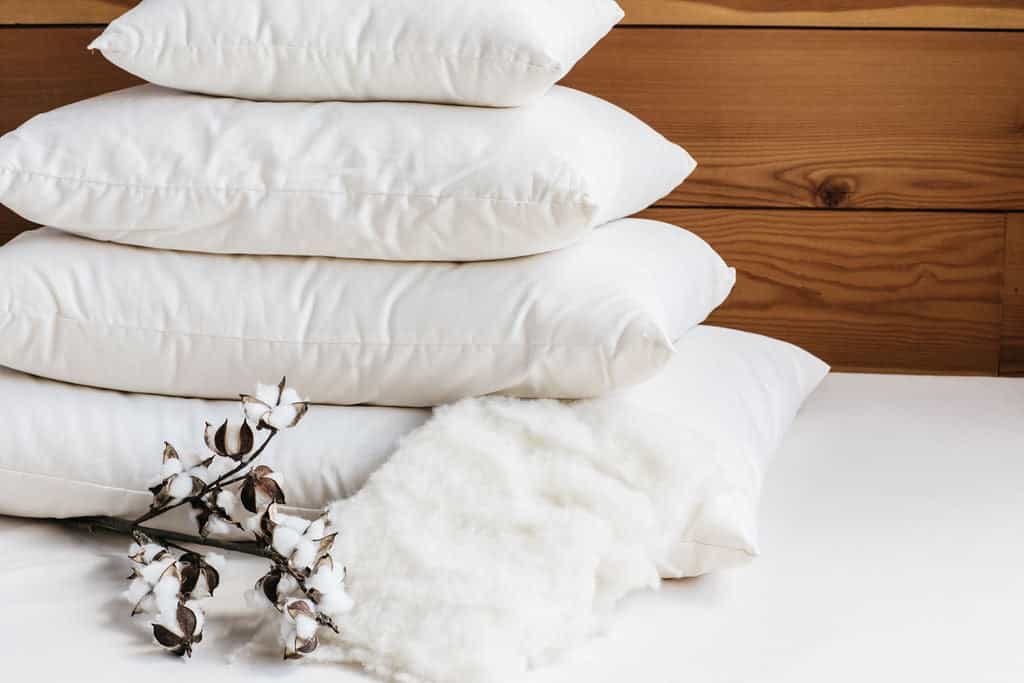
For a tangible example, Certified Organic Wool Bed Pillows are described as hand-built with organic wool batting layered inside an organic cotton sateen case. Their construction gives a useful reference point when considering how batting differs from loose fill: the material is arranged in layers within a sewn shell rather than presented as a freely adjustable cloud of fiber.
Loft is a starting point, not a verdict
Loft describes a pillow’s height or thickness when it is resting in its natural state. It is one of the first details shoppers notice, yet it cannot tell the whole story. A high-loft pillow may compress substantially beneath the head, while a lower-profile pillow made with resilient fill can remain comparatively supportive. The shape of the pillow, its size, the density and arrangement of its contents, and the sleeper’s build all influence the result.
Sleeping position offers a practical starting framework. Side sleepers often look for enough height to fill the space between the shoulder and head without forcing the neck sharply upward. Back sleepers may prefer a more moderate profile that supports the natural curve of the neck without tipping the chin toward the chest. Stomach sleepers commonly seek a lower, softer surface to reduce the sense of the head being pushed upward. These are general considerations, not prescriptions: shoulder width, mattress firmness, body proportions, and personal comfort all matter.
Wool batting can feel more structured than loose fiber fill. Because the batting is layered and contained, a sleeper may not be able to gather, shift, or remove the wool in the way they might with an adjustable-fill pillow. The pillow’s loft is therefore shaped primarily by its design and dimensions. Anyone who relies on frequent customization should check whether a particular model has an opening or adjustment feature; do not assume that all wool pillows can be altered.
It can help to compare the pillow in the context of the whole bed. A very firm mattress may allow the shoulder to remain higher, while a softer mattress lets the shoulder sink farther, changing the gap the pillow needs to fill. Likewise, a thick pillowcase or layered bedding can slightly affect the sensation. The aim is a comfortable, neutral-feeling position—not the pursuit of a particular advertised loft number in isolation.
Wool batting versus loose fill
Construction is the quiet distinction that determines how a pillow behaves night after night. Loose fill consists of separate fibers or clusters that can shift inside the casing. Depending on the design, it may be fluffable or adjustable, allowing the sleeper to redistribute material. Batting, by contrast, is formed into layers or sheets and enclosed within the pillow. It can create an even, composed feel, but it generally offers less opportunity for the sleeper to rearrange the interior.
Neither construction is automatically superior. Loose fill may appeal to someone who likes to personalize height or reshape a pillow. Batting may suit someone who prefers a more consistent surface and a pillow that keeps its overall arrangement. The difference is somewhat like choosing between a relaxed drape and a tailored line: each has its own appeal, and the right choice depends on how you want the object to behave.
Some wool fillings settle as they are used. The maker’s stated expectations are worth reading before purchase, especially if the pillow initially feels lofty. For instance, the product information for the hand-built organic wool pillows linked above notes that the wool may settle by 15–30% during the first months of use. This is useful context, not a guarantee that every wool pillow settles by the same amount. Fill, construction, frequency of use, and care can all affect the way a pillow changes over time.
When comparing products, look beyond the word “wool.” Check whether the material is wool batting or loose wool, whether the cover is removable, what fiber is used for the shell, whether the fill can be adjusted, and what care is permitted. Clear construction details help set realistic expectations and make comparisons more meaningful than softness language alone.
Finding a comfortable fit for your sleep style
The best way to think about pillow support is as a relationship between the body and the bed. A pillow should feel comfortable in the position you actually use most often, with enough lift to support the head without creating a sense of strain. If you change positions through the night, consider which position occupies most of your sleep and whether the pillow remains pleasant as you move.
Side sleepers can pay attention to whether their head seems to tilt down toward the mattress or angle upward. Back sleepers may notice whether a pillow feels as if it is pushing the head forward. Stomach sleepers can consider whether the height feels excessive. These observations are more useful than trying to identify a single ideal loft from a chart, because comfort is individual and the mattress changes how the pillow performs.
Allow time to notice the pillow’s feel, but do not treat discomfort as something that must be endured. If a pillow consistently feels unsuitable, a different profile or construction may be a better match. A pillow is not a medical treatment, and persistent neck pain or other concerning symptoms are best discussed with a qualified health professional rather than addressed through bedding changes alone.
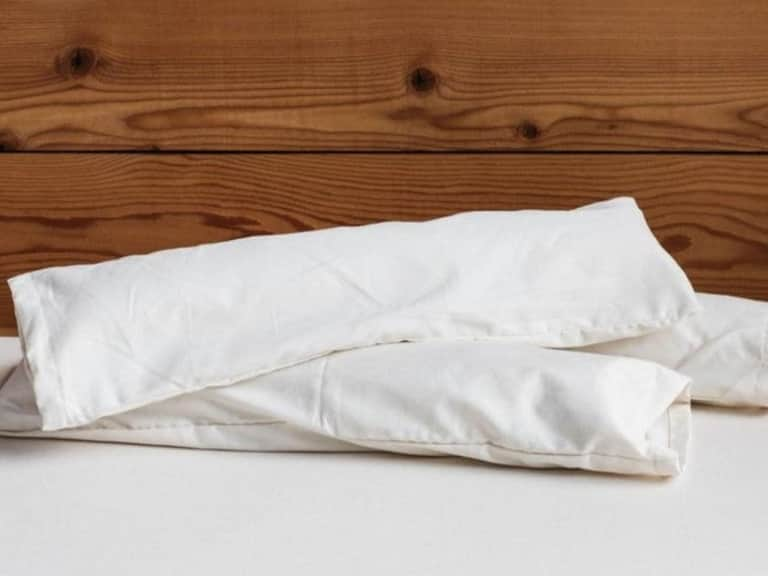
Specialty shapes can serve different purposes from a conventional bed pillow. A wool-filled neck roll, for example, is a compact cylindrical form designed to offer more targeted support than a rectangular pillow. The Neck Roll combines premium eco wool with an organic cotton sateen cover and includes a removable case. Its shape may be useful for someone seeking a distinct support profile, but it should be understood as a specialty pillow rather than a substitute that will suit every sleep position or preference.
A considered approach to wool pillow care
Wool pillows typically ask for a gentler routine than machine-washable synthetic pillows. Many are spot-clean only, and saturating the inner fill can be difficult to manage. Water may leave the wool damp for an extended period, affect the pillow’s shape, or conflict with the maker’s care instructions. The label and product-specific guidance should always take precedence over generic advice.
Everyday upkeep can be refreshingly simple. Use a washable pillowcase, launder it regularly according to its care label, and allow the pillow to air from time to time in a dry, well-ventilated place. Follow the manufacturer’s guidance about sun exposure: some products suggest occasional airing in sunlight, while other materials or finishes may require more restrained handling. Avoid leaving a pillow in conditions that could overheat, dampen, or damage its cover.
If a small spill occurs, act promptly. Blot rather than rub, using a clean absorbent cloth, and avoid applying more moisture than necessary. Follow the care instructions for the specific pillow and let it dry completely before covering or using it again. If the care label says spot clean only, do not interpret that as permission to immerse the pillow or put it in a washing machine. When a stain is extensive or you are uncertain about a cleaning method, ask the maker for guidance.
A removable cover, when included, makes routine care easier because the layer in closest contact with the face can be washed separately. Always check whether the cover is actually removable and read its instructions; a removable case may have different care requirements from the pillow itself. For a neck roll, the listed care for the removable sateen case is machine washing in cold water, with line drying or tumble drying on low, while the wool pillow itself is spot-cleaned.
Storage matters, too. Keep a wool pillow in a clean, dry place with enough room for airflow rather than sealing it away while damp. Avoid compressing it under heavy items for long periods, which may alter its loft or shape. A washable protective cover can help limit the need to clean the pillow itself, while regular airing supports a fresh-feeling bed without introducing unnecessary washing.
Materials, sourcing, and certification
For shoppers drawn to natural pillows, the fiber story is part of the decision. Look at the fill and cover separately: a pillow can contain wool while using a different fiber for its casing. Product descriptions should specify the materials, and a certification may apply to particular parts of the product or stages of production rather than every claim a reader might infer from the word “organic.”
GOTS, the Global Organic Textile Standard, is a textile-processing standard with requirements covering organic fibers and defined environmental and social criteria across the supply chain. When a product description references GOTS certification, check the wording and scope provided by the seller or manufacturer. Certification is useful information, but it does not describe every detail of feel, longevity, adjustability, or care.
The listed Certified Organic Wool Bed Pillows use 100% organic cotton fabric and 100% organic wool filling, with GOTS-certified materials noted in the product information. The cotton is described as grown in India and milled in a GOTS-certified facility in Pakistan; the wool is sourced from a cooperative of small sheep farmers in the western United States or from New Zealand. Those details offer a more specific picture of material origins than a broad natural-fiber label alone.
As with any bedding purchase, transparency is more helpful than sweeping promises. Consider what the maker identifies clearly: fiber content, origin, construction, care, and applicable certifications. Then weigh those details alongside the practical questions that shape everyday use: Does the pillow feel right? Can it be maintained in a way that fits your routine? Is the loft suitable for how you sleep?
A useful checklist before choosing
- Start with your usual sleep position. Use it as a guide to the kind of height and support you might prefer, not as a rigid rule.
- Ask what “wool-filled” means. Is the fill layered batting or loose wool? The answer affects feel, shape, and adjustability.
- Look for care specifics. Confirm whether the pillow is spot-clean only, whether the cover removes, and how the case should be washed.
- Read the settling guidance. Some natural fills change in loft with use. Consider the maker’s stated expectations when evaluating the pillow’s initial height.
- Check the shell and certifications. Review the cover material, fiber content, sourcing details, and the scope of any certification.
- Choose for your real routine. A pillow that requires care you will not follow may not be the most practical choice, however appealing its materials.
That checklist keeps the decision grounded in daily life. Wool’s natural resilience can be appealing, but it is only one part of a pillow’s personality. The way the fill is arranged, the fabric against the skin, the dimensions, and the care routine all contribute to whether the pillow feels like a welcome addition to the bed.
The quiet luxury of getting the details right
A thoughtfully chosen pillow rarely announces itself. It simply feels appropriate: the height makes sense, the surface feels pleasant, and the materials suit the way you like to rest. Wool-filled pillows offer a particular combination of spring, structure, and breathable natural fiber, with a character that differs from both down-like softness and highly adjustable loose fill.
Approach the choice with curiosity rather than assumptions. Compare construction and loft, consider how your mattress and sleep position affect fit, and read care instructions before bringing the pillow home. With a washable case, regular airing, and careful spot cleaning where permitted, wool bedding can be maintained without turning routine upkeep into a complicated ritual.
In the end, the most considered pillow is not necessarily the loftiest, the softest, or the one with the most elaborate label. It is the one whose feel, materials, and maintenance suit your own nightly habits. That balance—comfort shaped by construction and supported by simple, consistent care—is what makes a pillow feel genuinely at home in the bedroom.