Tables serve as central surfaces for dining, work, and communal activities, combining practical durability with aesthetic appeal. In this category, the focus is on understanding materials, finishes, and construction that influence table longevity, resistance to stains, and ease of maintenance. Key considerations include surface hardness, heat tolerance, and compatibility with common dining setups and decor styles.
Natural materials often provide superior comfort and sustainability. When evaluating tables, consider features such as solid wood grain, non-slip finishes, and edge profiles that reduce wear and tear. The choice of finish can affect cleaning ease, water resistance, and the overall look, whether you prefer a warm, rustic feel or a modern, minimal design.
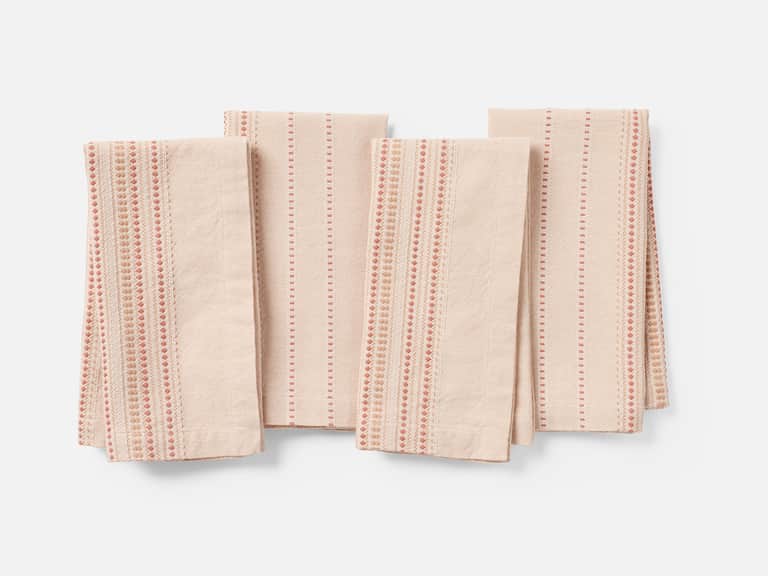
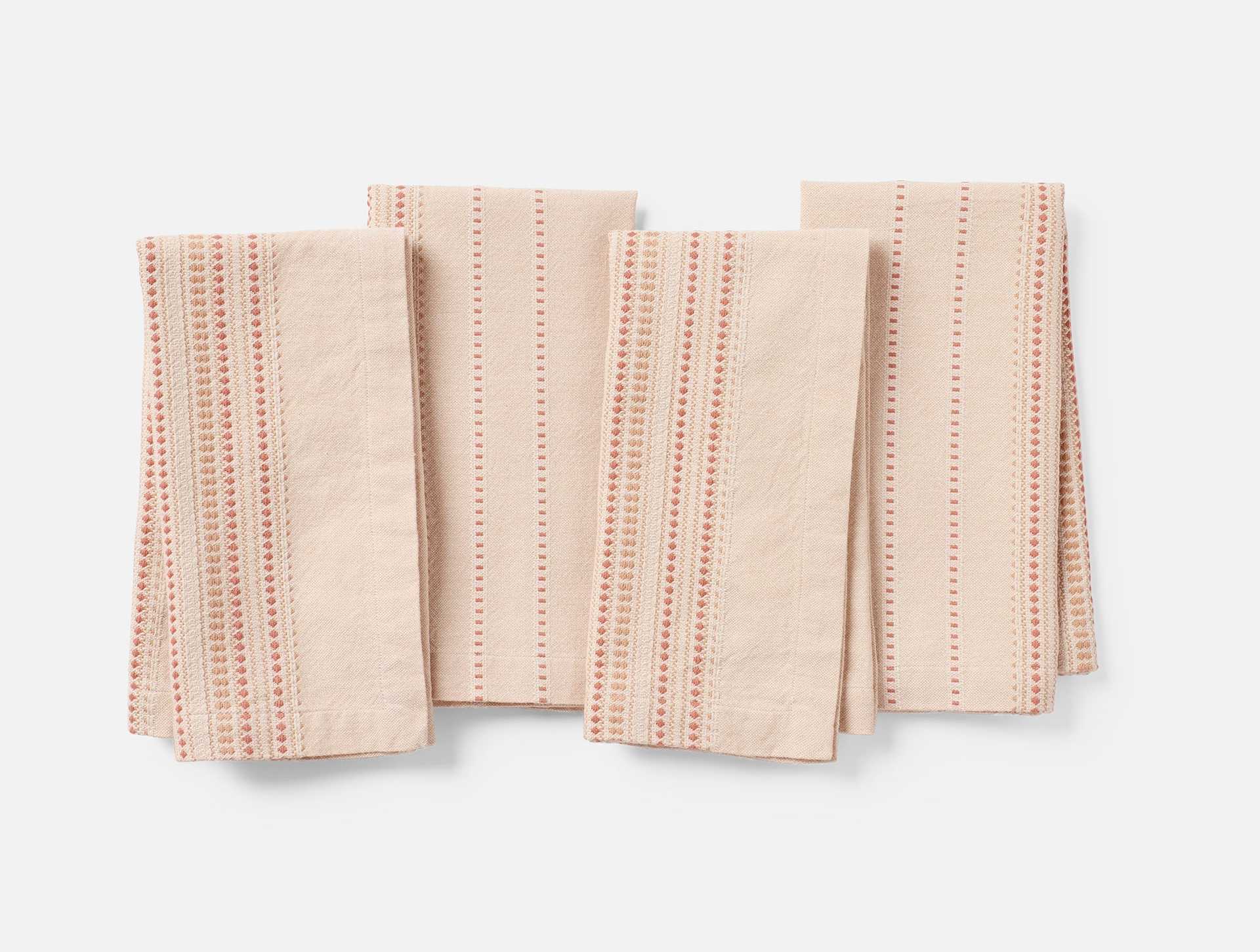
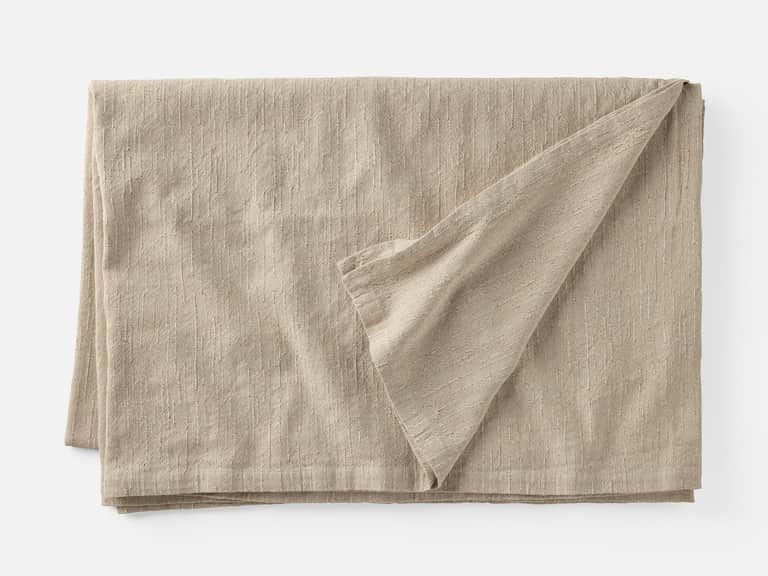
In this context, product specifics like Lobos Organic Napkins and Toro Canyon Organic Tablecloth highlight the role of fabric and textile coordination with tables. Napkins crafted from organic fibers offer absorbency and softness, while tablecloths with durable weave and appropriate hems protect surfaces and enhance presentation during meals or gatherings.
Functional benefits for table setups include spill resistance, ease of laundering, and compatibility with table dimensions. Organic and natural materials often prioritize low chemical exposure, user comfort, and long-lasting performance. Understanding material composition helps determine maintenance routines, stain management, and the suitability for daily use or formal occasions.
Within this educational overview, keywords like bedding, sheets, mattresses, natural latex mattresses, duvet covers and bed skirts appear as broader textile contexts that illustrate the relationship between textile quality and surface usability. Even when focusing on tables, recognizing how textiles complement dining spaces—such as napkin materials and tablecloth textures—deepens comprehension of functional table design.
 Table
Table