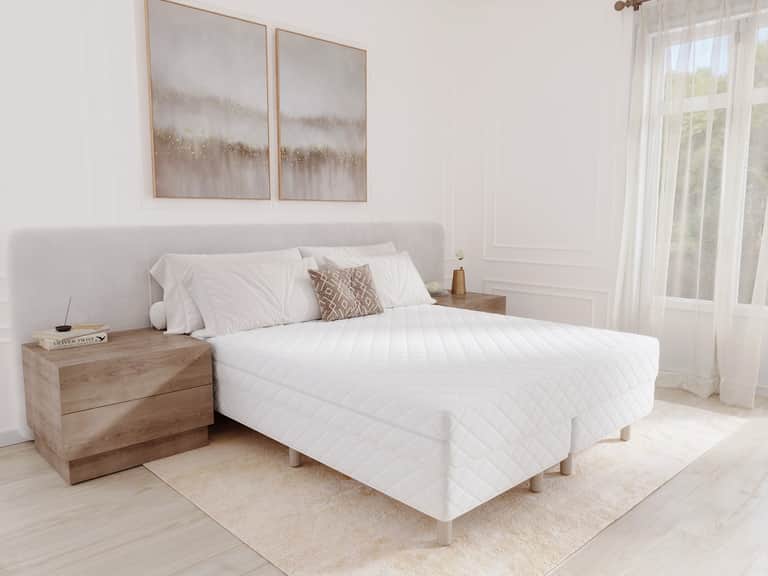
Mattresses are a foundational component of sleep ergonomics, emphasizing support, pressure relief, and temperature regulation. This category highlights materials, construction techniques, and durability considerations that influence comfort levels across different sleeping positions. Understanding these factors helps assess compatibility with natural bedding ecosystems and long-term health outcomes.
Key features often include inquiries into layering, including comfort foams, natural latex, and solid support cores, as well as cover fabrics chosen for breathability and hypoallergenic properties. Natural latex mattresses, in particular, offer buoyant support and responsive contouring while maintaining a stable sleeping surface that resists sagging over time.
The Naturally Organic Hudson Latex Mattress exemplifies the blend of organic materials and thoughtful engineering. It typically integrates a latex comfort layer for contouring without excessive sink, paired with a supportive core to minimize motion transfer. Users may experience improved spinal alignment and reduced pressure points, contributing to deeper restorative sleep.
When evaluating mattresses, consider durability indicators such as material resilience, zoning options, and protection against allergens. Sleep ergonomics are influenced by the combination of firmness, height, and temperature management features. Bedding selections like natural duvet covers, bed skirts, and breathable sheets complement the mattress by promoting a clean, comfortable sleep environment.
Incorporating a holistic view of the bedding ecosystem—bedding, sheets, mattresses, natural latex mattresses, and related accessories—helps clarify long-term suitability. The category aligns with interests in organic and sustainable sleep solutions, emphasizing non-toxic materials and informed choices for daily comfort and ongoing health benefits.
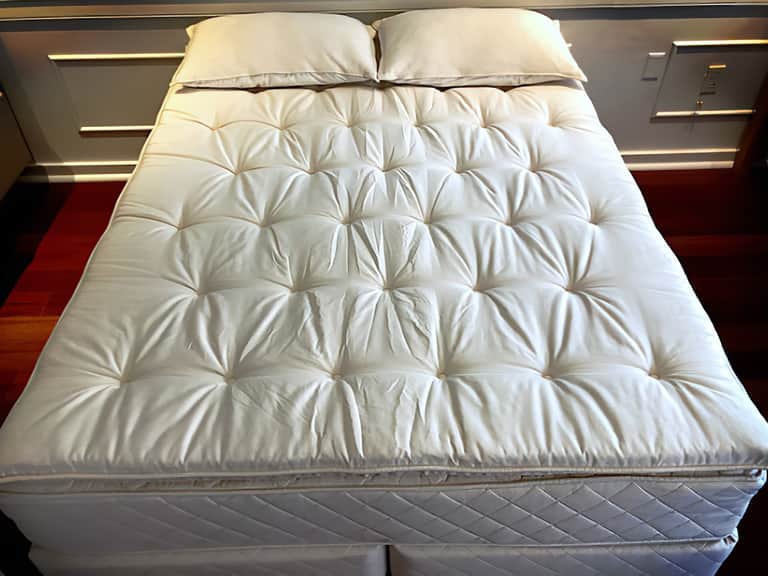 Mattresses